Gypsum Board Production Line Manufacturer
Plan your next production line with Wuxing.
Explore our products ↗OUR EQUIPMENT
Explore Our Products
Gypsum Board Production Line
Integrated equipment for paper-faced gypsum board manufacturing, from material preparation and forming to drying, cutting and stacking.
Read More ↗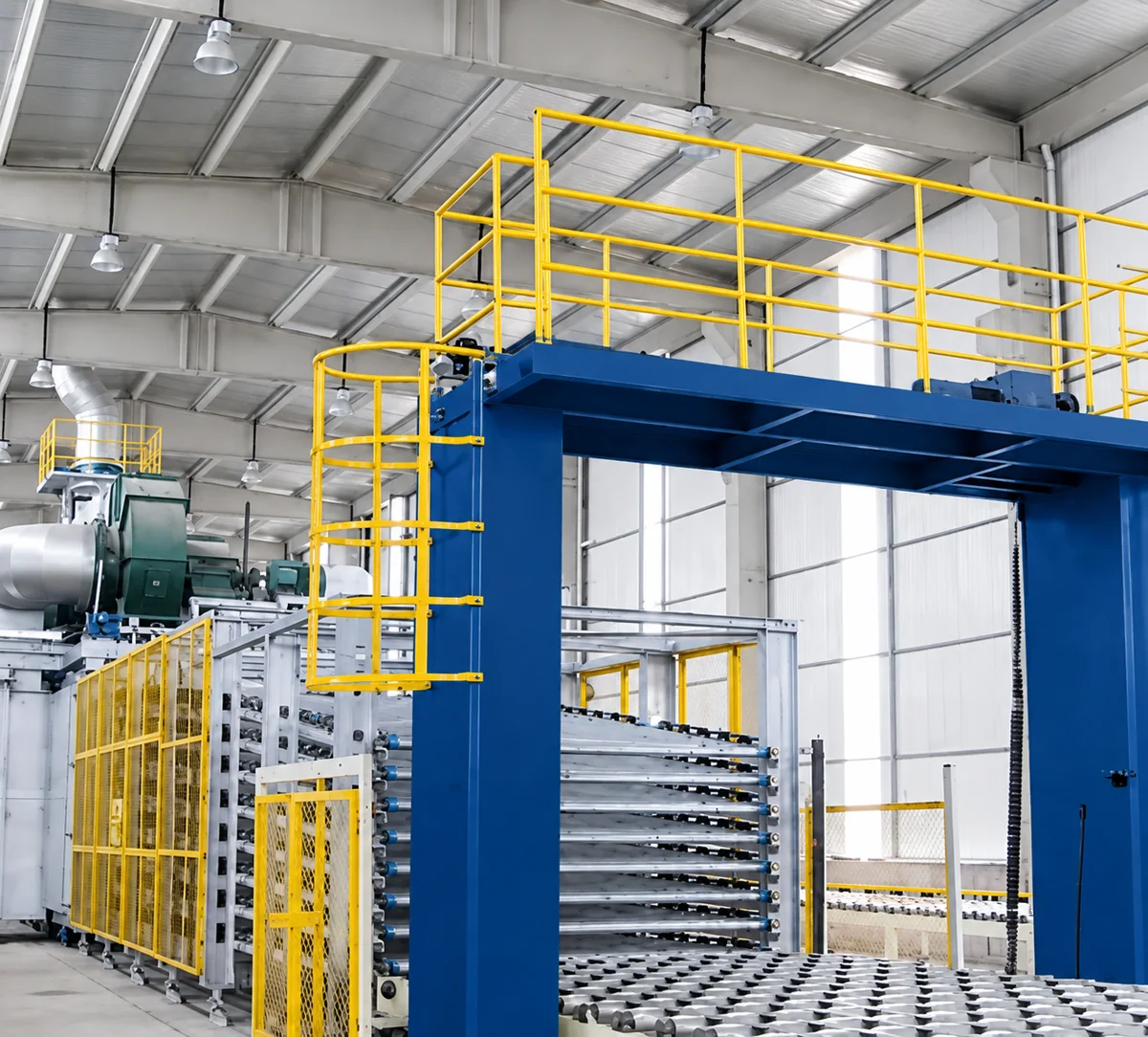
Gypsum Board Production Line
Integrated equipment for paper-faced gypsum board manufacturing, from material preparation and forming to drying, cutting and stacking.
Explore equipment ↗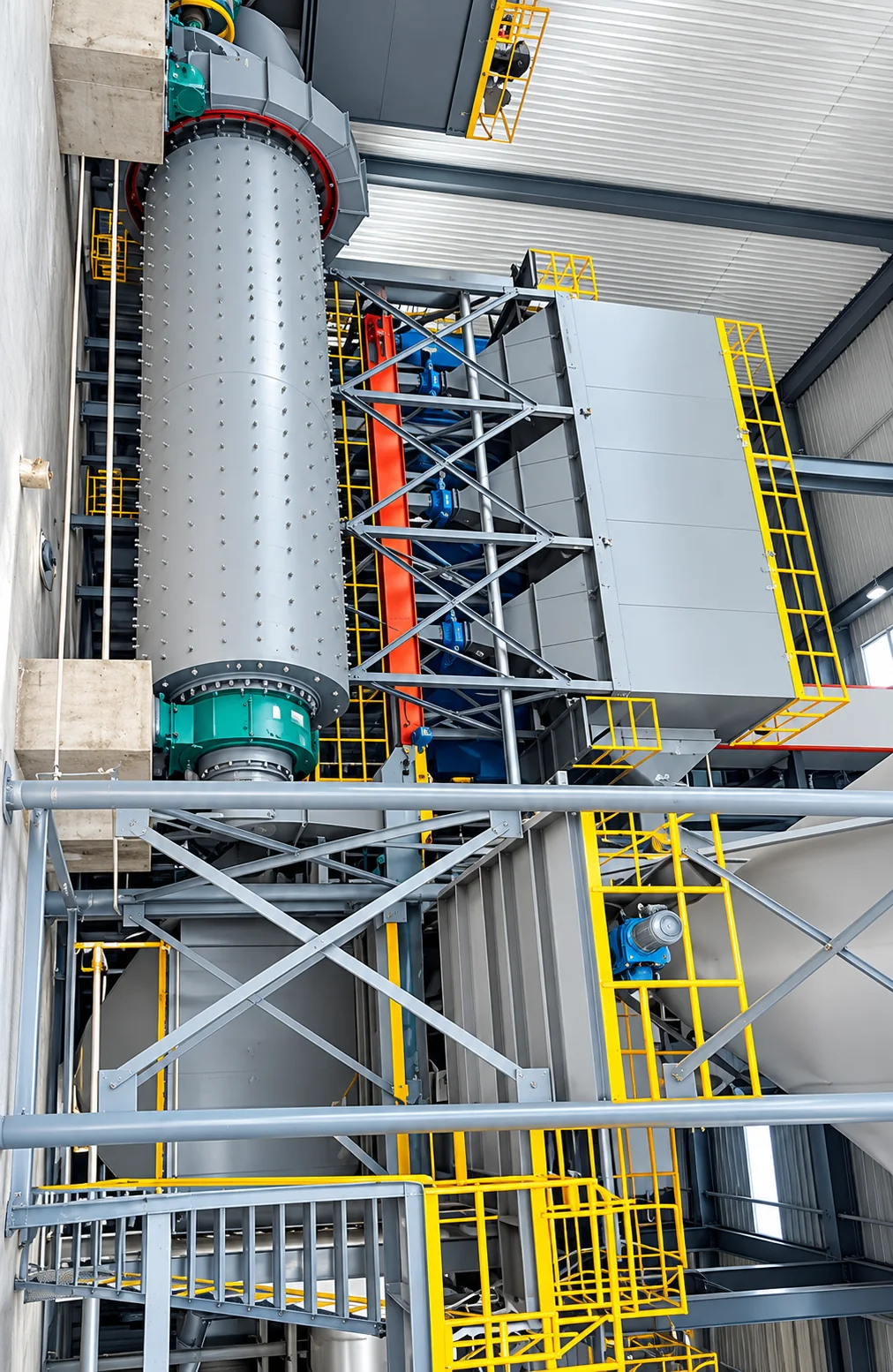
Gypsum Powder Production Line
A coordinated production system for transforming gypsum stone into powder through crushing, grinding, classification and calcination.
Explore equipment ↗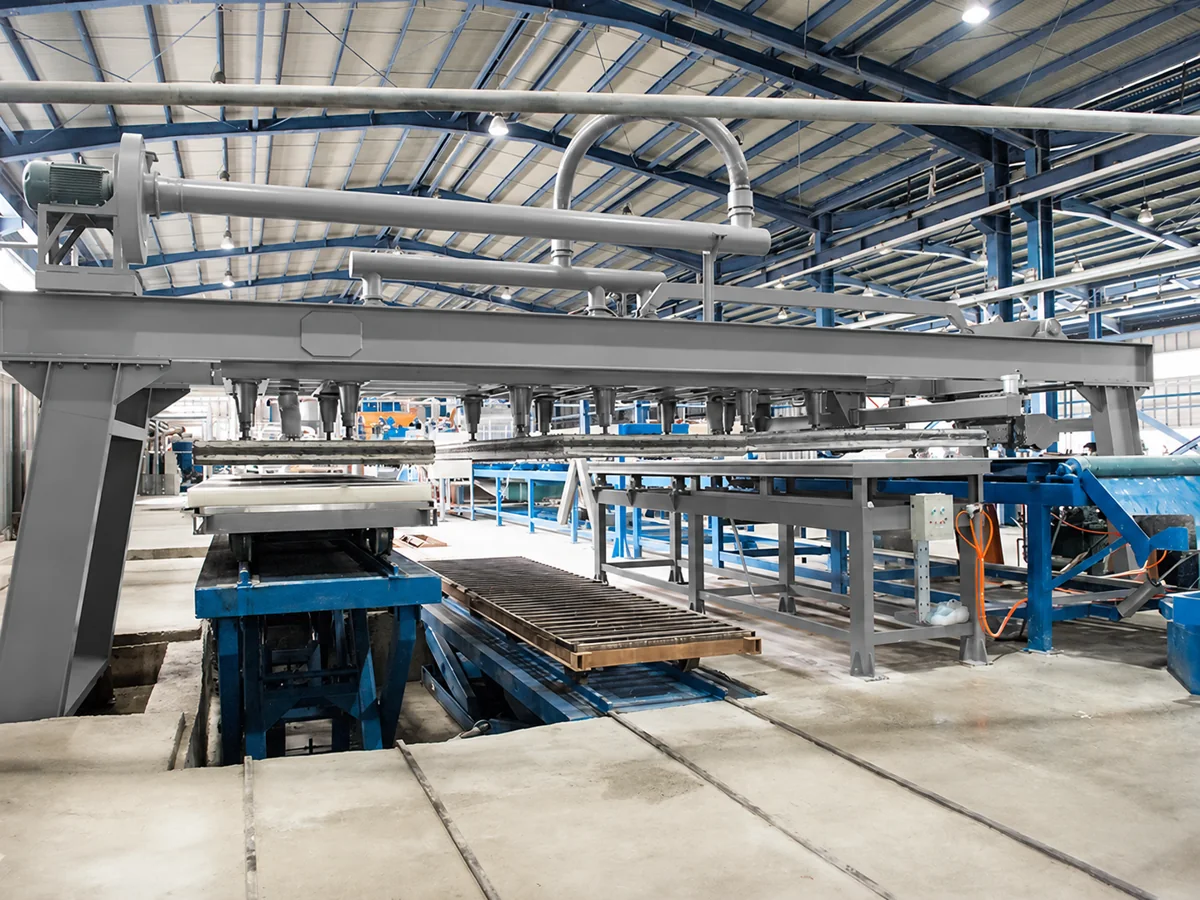
Calcium Silicate Board Production Line
Equipment for calcium silicate board preparation, forming, curing and finishing, configured around the board specification and output you need.
Explore equipment ↗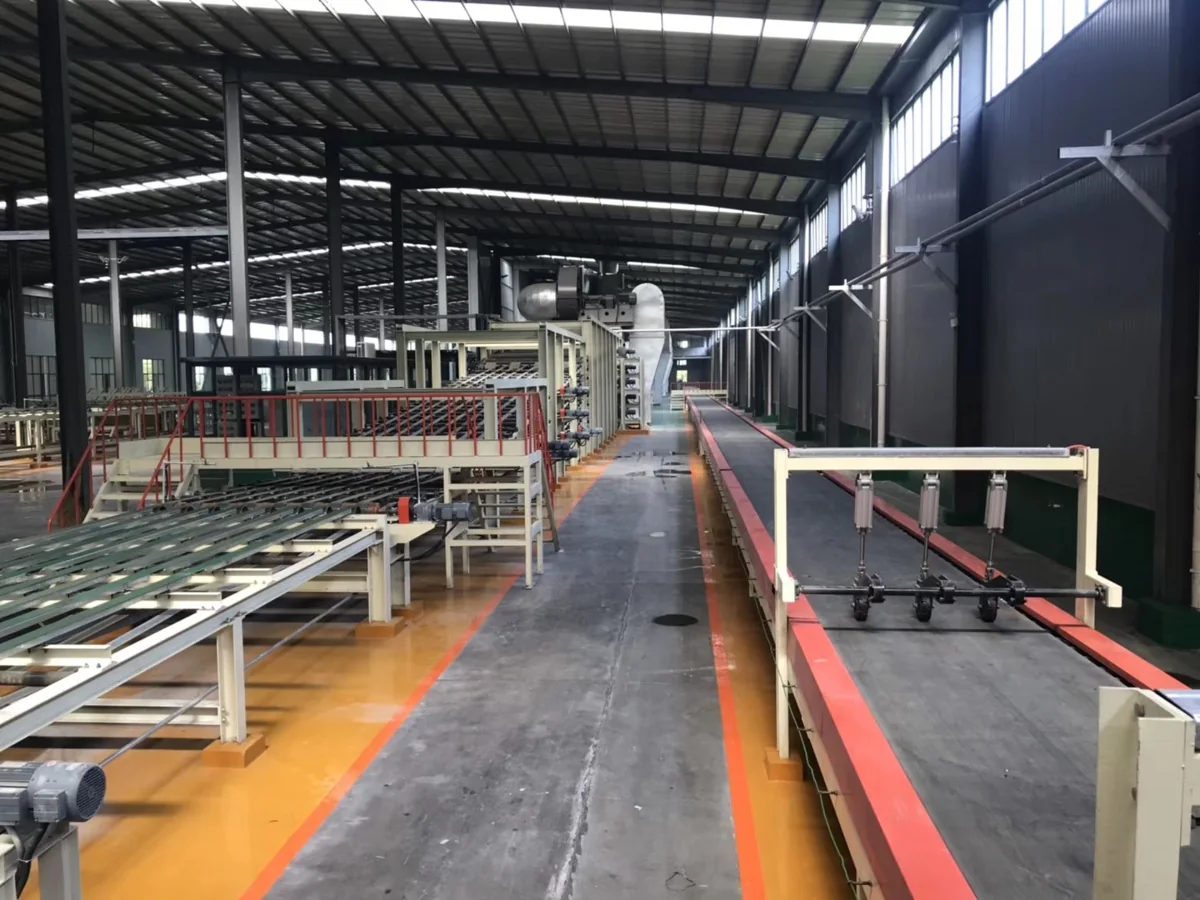
ABOUT WUXING
Professional services
started in 2005
Wuxing brings together equipment research, design, manufacturing and international project support for gypsum and building material production.
From your initial production requirements to equipment configuration, our team helps you plan your next manufacturing project.
About our company ↗PRODUCTION IN PRACTICE
Project Case
VIETNAM
Gypsum board production line
An 8 million m² annual-capacity gypsum board project.
View project ↗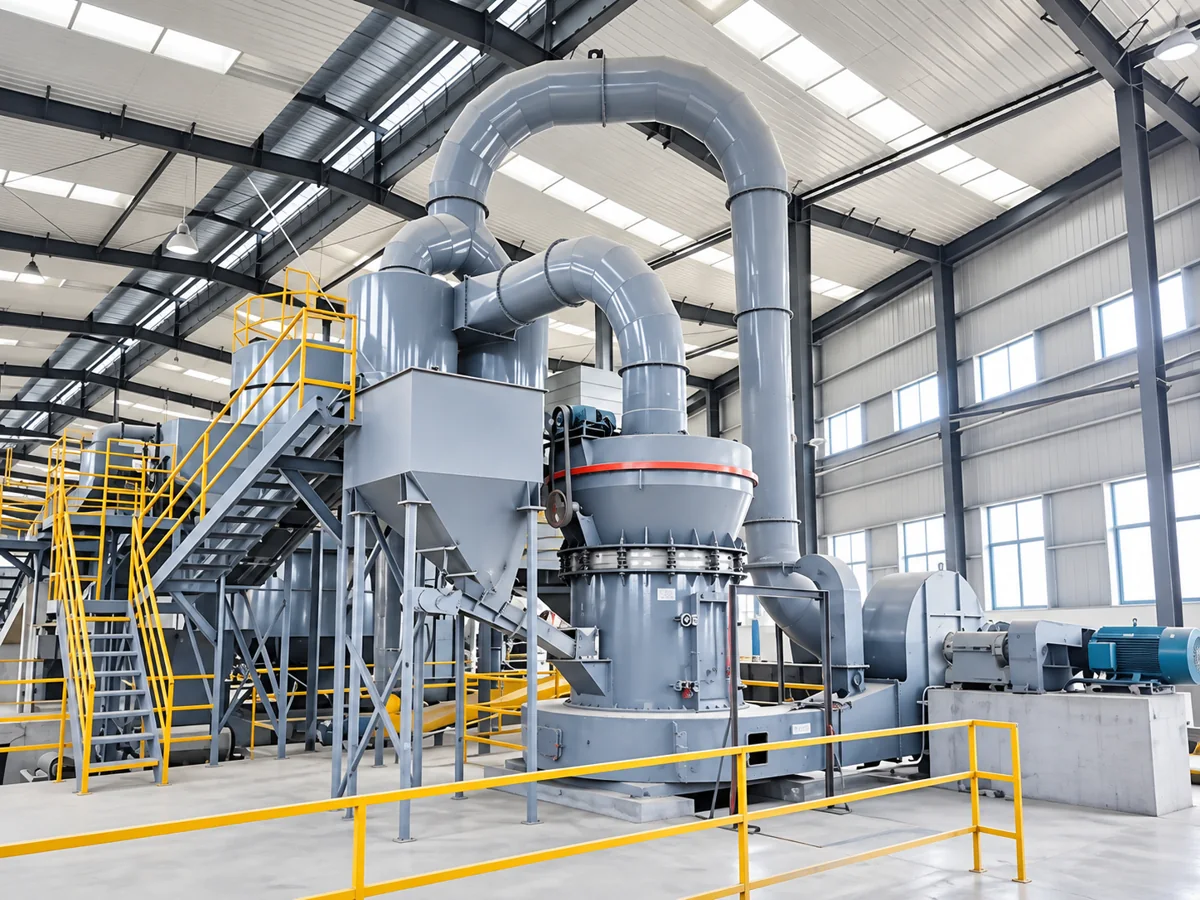
INDONESIA
Gypsum powder production line
A gypsum powder processing and production project.
View project ↗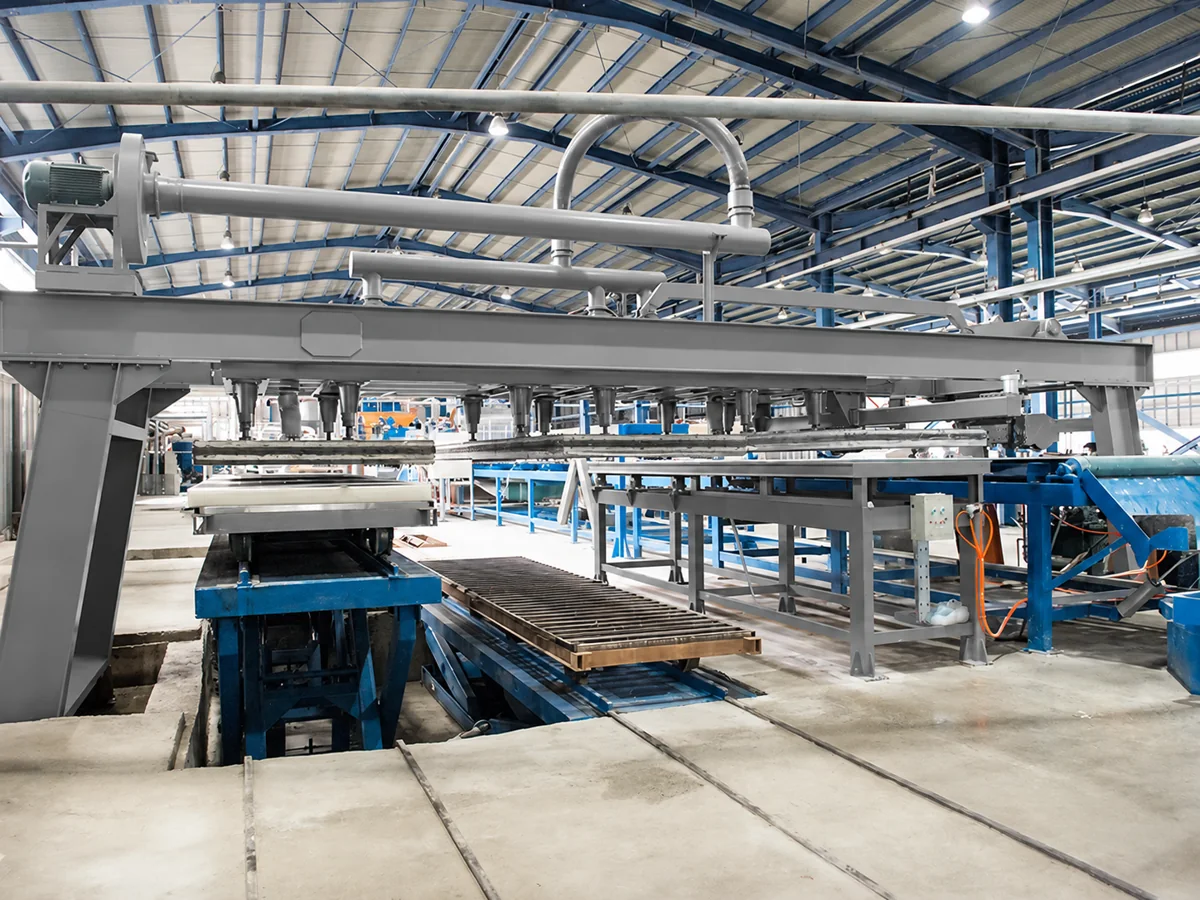
IRAN
Calcium silicate board production line
A 5 million m² annual-capacity calcium silicate board project.
View project ↗INSIGHTS & RESOURCES
News Center
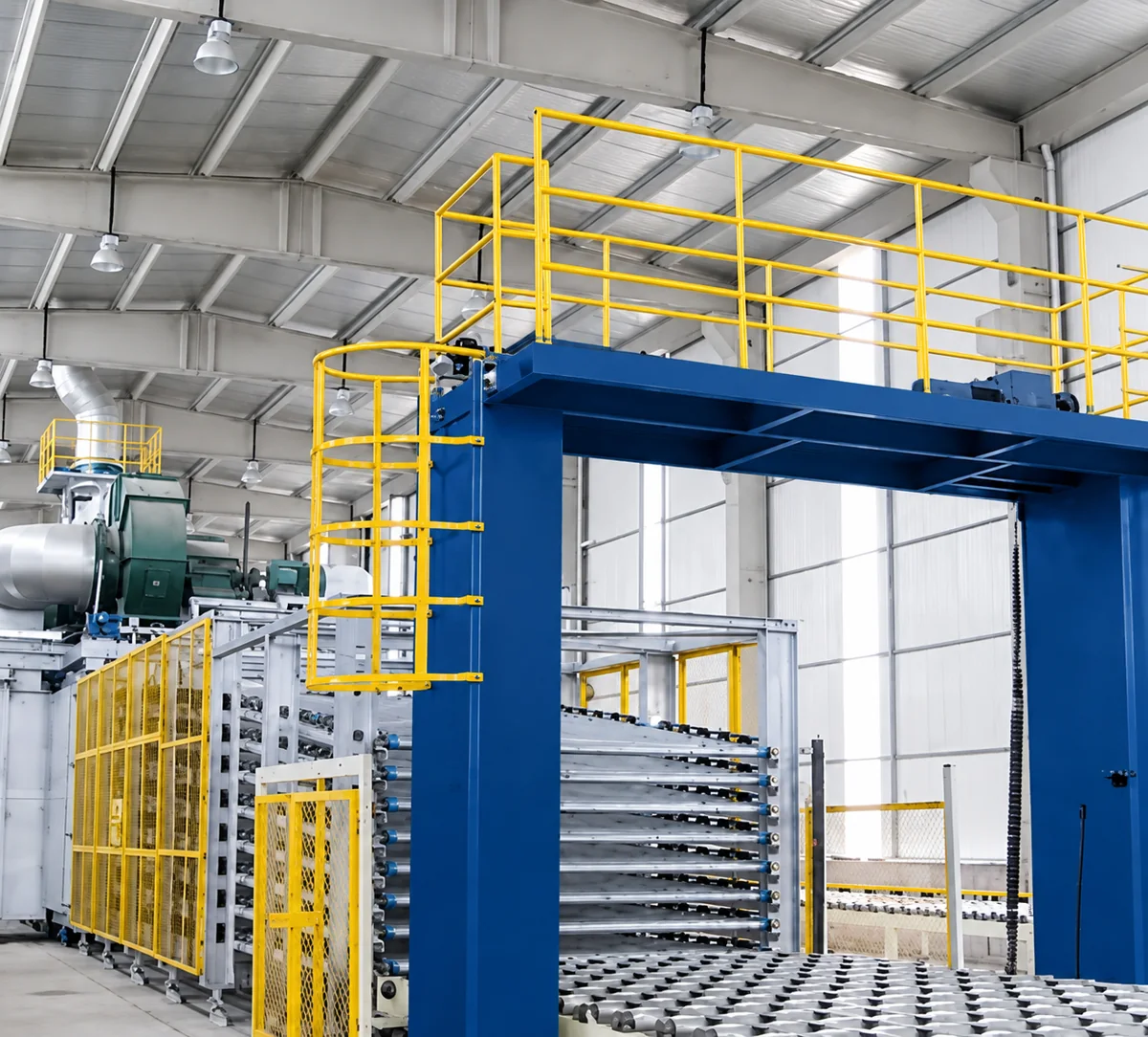
GYPSUM MACHINERY FROM CHINA
Plan your gypsum board manufacturing plant
Choose a gypsum board line around your market
A gypsum board production line is a connected manufacturing system, from ingredient preparation to finished-board handling. Choosing the right plant starts with the boards your customers need, the volume you expect to sell and the resources available at your site. Wuxing works with buyers planning paper-faced board production in China and international markets. Our equipment discussions begin with your product dimensions, raw-material reports, factory drawing and preferred level of automation. These details establish a useful basis for an equipment proposal, rather than selecting a machine from annual capacity alone. Tell us whether you are building a new factory or expanding an existing operation.
Compare annual capacities from 2 to 30 million m²
The capacity options on this website include 2, 5, 10, 20 and 30 million square metres per year. Each figure must be considered alongside the board thickness, working schedule and expected proportion of saleable production. A smaller project may prioritize a manageable initial product range and straightforward material handling. A larger factory may need more storage, coordinated downstream automation and a stronger maintenance plan. Do not scale electrical power, building dimensions or project price directly from another capacity. Ask for a proposal based on the actual board mix and available operating hours, with clear assumptions for planned stops and product changes.
How paper-faced gypsum board is produced
Production begins by measuring gypsum powder and the other ingredients needed for the selected formulation. Mixing brings the dry and liquid components together before the slurry is formed between facing papers. The continuous board is supported while it sets, then cut and transferred through drying. Finishing equipment trims the edges and prepares boards for stacking and dispatch. The stages must work together: a change in the formulation or board thickness can affect forming conditions, setting time and dryer loading. Our process overview helps buyers identify the major equipment groups to include in a complete supply schedule and discuss the connections between them.
Raw materials and formulation planning
Typical project discussions cover gypsum powder, facing paper, water, starch, foaming agent and any formulation-specific additives. Before equipment selection, provide the properties of locally available materials and identify which ingredients will be imported. Powder consistency and paper specifications should be considered together with the finished board requirements. If several grades are planned, describe each one separately instead of assuming that all grades use the same recipe. Send representative analysis reports where available, and ask which material checks are required before a process configuration can be confirmed. Keep the agreed raw-material basis with the equipment quotation so later substitutions can be reviewed.
Decide whether to include gypsum calcination
A board factory can be planned around purchased building-gypsum powder or around a separate powder preparation plant. These are different supply boundaries. If your project starts with gypsum rock, discuss crushing, grinding, calcination, cooling and powder storage as part of a coordinated material route. A calcination plant should be selected for its own feedstock and powder specification, rather than treated as an automatic accessory to the board line. Our gypsum powder and calcination pages explain the equipment scope and the published example design. Identify who will supply qualified powder at commissioning and during normal operation before finalizing the board-production contract.
Drying, power and operating costs
Drying deserves particular attention when comparing plant proposals because the heat source and board mix influence the equipment arrangement. Keep installed electrical power, average running demand and energy consumed per square metre as separate figures. They answer different planning questions and cannot be used interchangeably. The published 20 million m² configuration lists approximately 1,500 kW of installed electrical power; this is not a guaranteed consumption figure for every operating condition or capacity. Request a utility schedule that states the measurement basis, includes auxiliary equipment and identifies the buyer-supplied systems. Compare fuel and electrical assumptions consistently when evaluating alternative offers.
Factory layout and material movement
An effective equipment layout should account for more than the production machines. Incoming ingredients, paper storage, maintenance access, finished-board stacks and dispatch routes all need space. Share the usable building length, width, height and column positions, along with the intended entry and exit points. The conceptual drawings on our product pages illustrate process relationships only; they are not construction drawings or approved layouts for a customer site. A project-specific drawing should identify equipment locations, utility connections and the responsibilities of each supplier. Confirm the final arrangement before preparing foundations or ordering site infrastructure that depends on the machinery dimensions.
Automation and the boards you intend to sell
Specify the tasks you want automated and the staffing arrangements planned for the factory. Batching controls, paper handling, line-speed coordination, stacking and packing should be listed clearly in the scope. An automated production section does not necessarily mean that every handling or packaging task is included. For paper-faced plasterboard, agree the board dimensions, facing requirements and product grades. For ceiling-tile equipment, first distinguish manufacturing the board substrate from processing a purchased substrate into finished tiles. That distinction changes the equipment discussion substantially. Our dedicated pages help you prepare these requirements before requesting the technical and commercial offer.
Why discuss your project with Wuxing?
Wuxing Gypsum Machinery is based in Shijiazhuang, Hebei, China. The company information provided for this website describes equipment design and manufacturing support together with installation guidance, commissioning and operator training. For your project, ask which services are included, how responsibilities are divided and what information is needed before work begins. A clear proposal should connect your intended product with the equipment offered and the agreed acceptance procedure. You can discuss the project with our team by email, telephone or WhatsApp. Use the inquiry form to provide a consistent starting brief, including your company, project location and production requirements.
Request a specification and quotation you can compare
A useful inquiry includes target annual output, board dimensions, product grades, available raw materials, site drawings and local power and fuel conditions. State your expected schedule and whether the quotation should cover installation support, packing equipment or an associated powder plant. Prices are prepared for the agreed scope; the website does not publish a universal factory price. Ask the offer to distinguish equipment, optional items and site costs, and to state the basis for capacity and utility figures. When reviewing project examples, use only confirmed details that apply to that installation. Contact sales@gypsumboardmachinery.com to start a discussion about your planned gypsum production facility.